Hilario Durán Quartet is scheduled to perform in Columbia
The Hilario Durán Quartet is scheduled to perform in Columbia, Missouri, on Thursday, March 20, 2025, at the Missouri Theatre. This group is an absolute beast! This event is part of the “We Always Swing” Jazz Series and serves as the Dr. Carlos & Laura Perez-Mesa Memorial Concert. The concert will feature Hilario Durán on piano, Yoser Rodriguez Vargas on bass, Ahmed Mitchel Ponce on drums, and Jorge Luis Torres Paumier on percussion. Doors open at 6:00 PM, with the performance starting at 7:00 PM. Tickets are available through the Jazz Series Box Office or online.
This will be a fantastic concert you do not want to miss!
Today in Waukegan, IL., I shared the stage with two magnificent educators and social scientists, author Dr. Robert Marshall and author Dr. Michael Allen. Today we focused on several topics that have become colossal concerns for men such as fatherhood, education, labor market, non-cognitive skills, mental health, the importance of self-regulation and most of all defining the difference between Mature Masculinity and Immature Masculinity. We never use the awful term Toxic Masculinity. It’s a complete turn off for men and many women who understand using the term toxic masculinity is simply a misinformed person.
We truly enjoyed the interactive dialogue between the panelist and audience. We look forward to continuing this conversation as well as provide solutions for males to tackle their challenges head on. However, men can not do it alone. We must acknowledge them with wrap around supports. (Males who hurt, hurt us).
The event took place at the Antmound Foundation, 2424 Washington St. Ste 103, Waukegan, Illinois 60085.
Dr. Kevin W. Brown is a distinguished educator and sociologist dedicated to addressing the profound impacts of adverse childhood experiences (ACEs), toxic stress, and poverty on youth development. With over two decades of experience in education, Dr. Brown has become a leading voice in promoting equity and cultural proficiency within academic institutions.
Academic and Professional Background
Dr. Brown earned his Bachelor of Arts and Master of Arts in Teaching from Grambling State University. He furthered his education with a Ph.D. from Cardinal Stritch University and worked as assistant superintendent of Columbia Public Schools of Columbia, Missouri and Administrator in Racine, WI and Waukegan, IL. Dr Brown serves as a lecturer in the Sociology and Education Department at Oakton College in the Greater Chicagoland, where he teaches courses such as “Social Problems,” “Deviant Behavior,” and “Introduction to Education.”
In addition to his role at Oakton College, Dr. Brown is an Administrator in the Greater Chicago Area. His career highlights include collaborations with esteemed scholars like Dr. Gloria Ladson-Billings, focusing on equity and cultural proficiency during his tenure as a principal in Madison and Racine, Wisconsin.
Focus on Adverse Childhood Experiences and Non-Cognitive Skills
Dr. Brown’s research delves into the lasting effects of ACEs, toxic stress, and poverty on children’s development. He emphasizes the importance of non-cognitive skills and self-regulation, particularly in boys, advocating for educational strategies that foster resilience and emotional intelligence. Through his work, Dr. Brown aims to bridge the gap between scientific understanding and practical application in educational settings.
National Student Safety & Security Conference Contributions
A sought-after speaker, Dr. Brown has presented at various National Student Safety & Security Conferences across the United States. His sessions often explore the profound impact of ACEs on adulthood and life expectancy, providing educators and administrators with insights into creating supportive learning environments. Notably, he has been featured at conferences in locations such as:
New York City, New York: Scheduled to speak at the conference from August 6-8, 2025, Dr. Brown will share his expertise on addressing childhood adversities within educational frameworks. insssc.com
San Diego, California: Participated in the May 2024 conference, discussing emerging school security threats and the importance of understanding ACEs in developing preventive strategies. insssc.com
Las Vegas, Nevada: Contributed to the November 2021 conference, focusing on the relationship between childhood abuses before the age of 18 and their long-term effects. insssc.com
Personal Interests
Beyond his professional endeavors, Dr. Brown is a passionate jazz saxophonist, often performing in various jazz venues during his spare time. This artistic pursuit reflects his belief in the therapeutic power of music and its role in personal expression and community building. Dr. Brown’s Jazz Quartet has performed in Kansas City, MO, Columbia, MO, Milwaukee, WI, Waukegan, IL, Baton Rouge, LA, Chicago, IL and many more cities.
Dr. Kevin W. Brown’s multifaceted career as an educator, administrator, and musician underscores his commitment to addressing the complex challenges faced by today’s youth. Through his research, teaching, and community engagement, he continues to inspire positive change in educational practices and student support systems nationwide.
4. Broader Considerations: Gender Roles and Expectations: Much of this disparity can be traced to traditional gender roles, which often dictate that men be self-reliant, unemotional, and strong. These expectations may discourage them from seeking help, expressing vulnerability, or engaging in preventive health behaviors. Challenging these traditional notions of masculinity and encouraging emotional expression and support-seeking behaviors may be key to reducing these negative outcomes. Intersectionality: These issues may also intersect with race, class, and socioeconomic status. For example, men in disadvantaged communities may be at even greater risk for addiction, incarceration, and suicide.
Educational & Therapeutic Care Services 773-909-4745 [email protected]
How are Executive Functioning Skills & Non-cognitive Skills Similar and/or Different? Why it Matters to have Clarity around these Extremely Necessary Skills?
I have been an educator for over 25 years and for the last 10-15 years, I continue to hear educators mentioned or describe how they are going to fix students executive functioning skills as well as describe the actions to take in order to greatly improve students poor executive functioning skills. Educators believe by improving EFS, students will have significantly better academic outcomes. However, not only will there be an improvement academically, but these students will be accepted more socially and teachers will be more approving and welcoming. (4 years old in the picture with my mother and Educator in the other picture)
As a social scientist, I also believe if we can significantly improve people’s executive functioning skills, we can help those individuals live a more organized and fulfilling life. But sometimes we educators start to describe the concerns in question as it relates to certain students who more than not turn out to be boys. The concerns often described, seem more like “Non-Cognitive Skills.” However, girls and boys can suffer from poor non-cognitive skills. It is true that Executive Functioning Skills and Non-cognitive skills share many of the same skills or behaviors, but for extremely different reasons. For the sake of clarity, I find it necessary to define the two kinds of skillsets in question. By doing so, helps provide the reader with additional clarity around which skills are biological and found to be part of the brain. The others more around social exposures. However, with the appropriate treatments and help from the right professionals, there is great news supporting success.
Executive Functioning Skills
Definition: Executive functions refer to a set of cognitive processes that are essential for goal-directed behavior, problem-solving, and self-regulation. These skills are primarily associated with the prefrontal cortex of the brain, which governs higher-order thinking and decision-making.
Key Executive Functioning Skills:
Working Memory: The ability to hold and manipulate information in your mind over short periods.
Inhibition (Self-Control): The ability to control impulses, resist distractions, and stay focused on tasks.
Cognitive Flexibility: The ability to adapt thinking when faced with new, unexpected, or conflicting information.
Planning and Organization: The ability to set goals, make plans, and organize steps to achieve those goals.
Task Initiation: The ability to begin tasks without procrastination.
Emotional Regulation: The ability to manage emotional responses in various situations.
Biological Basis: Executive functioning skills are deeply connected to the frontal lobes, particularly the prefrontal cortex, which is the brain’s “command center” for decision-making, impulse control, and planning. These skills typically develop over time, with maturation occurring into early adulthood.
Noncognitive Skills
Definition: Non-cognitive skills (often called soft skills or life skills) are personal attributes, attitudes, and behaviors that help people navigate the world, work effectively, and cultivate relationships. Although these skills are less about raw cognitive processing, they impact how we interact with the world and manage difficult moments.
Key Noncognitive Skills:
Social Skills: The ability to communicate effectively, cooperate with others, and navigate social situations.
Motivation: The drive to pursue goals and persist in the face of challenges.
Resilience: The ability to bounce back from setbacks or difficulties.
Self-Esteem: A person’s perception of their own worth, which can influence behavior and interactions.
Mindfulness: The ability to remain present and aware in the moment, managing stress and emotions.
Time Management: Effective allocation of time for various activities.
Biological Basis: Noncognitive skills are less about specific brain regions and more about a combination of personality traits, emotional intelligence, and environmental influences. Some research suggests they are influenced by early life experiences, family arrangements, and socio-economic factors. In addition, non-cognitive skills are shaped by interaction with social and cultural contexts, which makes them more flexible and context-dependent compared to the more biologically grounded executive functions.
Now that there is clarity regarding “Non-cognitive Skills” and “Executive Functioning Skills,” we can see that some of the skills slightly overlap. However, it is important to acknowledge that they may overlap at some point, but for different reasons. As a result of Executive Functioning Skills having more to do with the brain or brain development, trying to correct a student suffering from poor EFSs require tremendously different strategies, plenty of more time, and maybe medication. In addition, to appropriately work with people as it relates to improving EFSs, usually require a certified therapist, psychologist, or psychiatrist. When I hear school counselors, principals, or teachers claiming to be working on students executive functioning skills, I am not so sure if this is really the case due to our educational training which does not focus on techniques for improving EFSs. Despite best our intentions, many school district’s personnel usually fall far short of what it takes to help students develop strong executive functioning skills which would help them navigate life’s many joys and difficulties. On the other hand, there are more promising opportunities for schools, counselors, parents, and educators to significantly improve students suffering from poor non-cognitive skills by intentionally focusing on these skills throughout students’ K-12 academic career. When we do this, we call this Social Emotional Learning and Supports. Tons of school district’s across the country are already focusing on these very important skills and with great success.
Executive Functioning Strategies for Improvement:
Treatment is often focused on cognitive-based strategies, neurodevelopmental training, and, in some cases, medication. There’s a biological foundation, but neuroplasticity allows for improvement through structured, cognitive training and interventions.
Non-cognitive Skills Strategies for Improvement:
Treatment is typically focused on behavioral strategies, emotional learning, and social engagement. Improvement comes through practice, social interactions, and strengthening of emotional intelligence, and while not as biologically constrained as executive functions, there is still room for improvement through experience and reflection.
References
Diamond, A. (2013). Executive functions. Annual Review of Psychology, 64, 135-168. https://doi.org/10.1146/annurev-psych-113011-143750
Heckman, J. J., & Kautz, T. (2013). The economics of human development and social mobility. National Bureau of Economic Research. https://doi.org/10.3386/w19656
Gordon, R., & Kaufman, J. (2020). The development of noncognitive skills: Implications for early childhood education. Early Childhood Education Journal, 48(6), 785-798. https://doi.org/10.1007/s10643-020-01014-1
Miyake, A., & Friedman, N. P. (2012). The nature and organization of individual differences in executive functions: Four general conclusions. Current Directions in Psychological Science, 21(1), 8-14. https://doi.org/10.1177/0963721411429458
The Importance of Non-Cognitive Skills for Positive Outcomes, though they Must be Cultivated for Years
Non-Cognitive Skills (NCS) are considered to be a range of abilities such as conscientiousness, perseverance, & teamwork. These skills are critically important to student achievement, both in and beyond the classroom. These skills are essential for the work place. NCS are critical and research studies show non-cognitive skills in students are significant predictors of positive outcomes in adulthood, including employment, incarceration, mental health, substance abuse and educational outcomes.
NCSs may also involve intellect, but more indirectly & less consciously than cognitive skills.
Persistence, self-discipline, focus, confidence, teamwork, organization, seeking help as needed, staying on task.
Focus-pay attention to teacher and learning, likely to earn higher grades.
Academic Perseverance- to focus & persist for extended periods of time in the face of distractions and temptations (delayed gratification, grit, tenacity, self-discipline & self-control). Without these tendencies, achieving high academic or social outcomes become quite challenging and/or impossible.
Boys more than not suffer from poor non-cognitive skills and find themselves suffering with everyday routines. Schools, colleges, militaries, boy organizations, churches, YMCAs, Urban League, as well as community centers should be working with creating policies with supportive practices to help boys rebound from the negative outcomes which may plague them for a life time. Society at large is obligated to provide wrap around supports in the areas of education, self-regulation, suicide, and emotional-discipline. For the sake of society and our families’ continual existence, the challenges, hardships, barriers, and fixed mindsets from others boys face globally cannot continue to be ignored. Despite the apparent poor outcomes for boys, they do go ignored. 93% of prison population are men.
IQ and standard test measure cognitive skills, which are defined as the ability to perform higher mental processes of reasoning, remembering, understanding, and problem solving (Bernstein, 2007). Though this is a valid way to define or describe cognitive skills, its irresponsible to just focus on cognition. Focusing solely on cognitive skills is simply not enough. Intelligent test only shows a narrow perspective over a period of time. For example, great performance on the job has rarely anything to do with cognitive skills in isolation. This is not the case for non-cognitive skills which demands the ability to plan, set goals, be punctual, collaborative, motivated, as well as display resilience. Utilizing strong non-cognitive skills may equate to stellar job performance, a less stressful life, and the same non-cognitive skills known as tenacity, resilience, goals setting, emotional control, and self-regulation allow one to live longer with notable diminished unwanted challenges life throws at each one of us. These skills matter and should not be overlooked. They demand our attention for the purpose of improving life’s curve balls. This is especially true for all males, despite the their race or ethnicity. All suffer when we sweep these concerns under the carpet. Over time the dirt and filth under the carpet start to smell of rot.
What’s Behind the Significant Advances Women are Experiencing?
There is really nothing negative about admitting that you have earned a college degree. Even if one is not working in a career in which they majored while attending college. In addition, there are also non-pecuniary benefits of college which has nothing to do with earnings or higher earnings. In other words, just being educated diminishes human risky behaviors such as excessive drinking, smoking, using illicit drugs, having a criminal record, or poor and unhealthy eating habits. Not doing these things are all examples of non-pecuniary benefits. Furthermore, one’s lifetime earnings tend to be higher for people who graduate from any post-secondary institution. Men are more likely to drop out of college or avoid enrollment entirely. As a matter of fact, 71% of college dropouts are men. This has been constant for at least the last 5 years. “Of the more than 2 million bachelor’s degrees conferred by post-secondary institutions during the 2019-2020 academic year, 58% awarded to women” (Bryant, 2022, Best Colleges). This steady decline will more than not have a negative effect when considering male military officers, the stability of families, as well as an unstable labor market due to males’ lack of post-secondary training, which negatively impact their opportunities in the labor market. Too many males cannot even apply for certain middle to upper status career jobs due to outdated skillsets and a lack of post-secondary training. Sadly, many men just avoid working and walk away or walk away from their family and children altogether. Absent fathers have a profoundly negative impact on children. Which may ultimately expose children to Adverse Childhood Experiences or (ACEs).
Figure 1
Figure: Percentage of Bachelor’s Degrees Conferred by Sex, 1980-2020
Figure 2
In 2013, Inside Higher Ed, reported women were more likely to go to college, perform better academically, and major in an unlimited number of careers. The Pew Research Center (2021), findings are glaringly clear and positive for women. Stanford Graduate School of Education found significant differences regarding how boys and girls in grades 3rd-8th performed in the areas of mathematics and English Language Arts. The research study used data from 10,000 school district.
Figure 3:Males and Female Gender Gaps in Math and English Language Arts Scores
Reardon 2018, stated they expected to measure consistent stereotype driven patterns. However, that was not the case. In affluent districts, the researchers were able to find a pattern. For example, in highly educated and predominantly white districts, boys fair better than girls in mathematics. In less affluent or poverty-stricken school districts with more racial diversity, girls scored higher than boys in math (Stanford School of Education, 2018). Stanford Professor Sean Reardon and his team also realized that in almost every public school district, females performed better in reading. In some of the United States more affluent districts, boys on average scored higher in mathematics by two-fifths of a grade level, but are half a grade level behind on reading and writing (Stanford School of Education, 2018). “In many of the poorest districts, however, the gap favors girls by one-fifth of a grade level in math and four-fifths of a grade levin in English” (Stanford School of Education, 2018). Stanford School of Education, 2018 findings show “Girls surpass boys in reading and writing in almost every U.S. school district regardless of local wealth or racial makeup. In 3rd grade, females out performed boys by roughly half a grade level. By the end of 8th grade, girls were almost a full grade ahead”. In addition, Stanford discovered that females and males’ gaps in grades 3rd through 8th have closed significantly over the last 10 years. Math gaps were surprisingly different. Girls had closed the math gap according to the 2015 students’ performance test scores.
Pew Research Center, 2021 findings also show young women are more likely than men to be enrolled in some post-secondary system. Believe it or not, when considering ages 25 to 34, the college completion gap is even wider.
Figure 4
There have been tons of moments when I have walked into men barbershops in Louisiana, Wisconsin, Missouri, or Illinois and I have heard guys say “women have changed and they are trying to control everything, take over, and tell them what to do.” Men often say, “women are trying to wear the pants.” However, they all say that it would never happen in their house. Many of the men admit their woman must submit to them and that they get the last word when it matters most. Though, I have heard these things from men over the last 20 plus years, I more than not push back or their 1600-1700’s Puritan thought patterns. I often hear men in the barbershop as well as at sports bars say “women are too weak to lead. GOD chose men to lead the family and the world.” Their rationale is, women are too emotional. As result of these out-of-control emotions, women are believed to be too weak to lead anything. Of course this is not true. Women have and continue to make tremendous contributions in the many areas of leadership. Now we have a more than qualified female Vice President Kamala Harris running for president and most political polls have her leading against a former president who is a male.
What Methods are women using to take Over the World?
“At this unprecedented moment, women are no longer merely gaining on men; they have pulled ahead by almost every measure.”
–Hanna Rosin, 2021
The silliest statement that stands out the most, is when I hear men say with confidence and conviction that “women are trying to take over the world.” I often push back and say, no women are not trying to take over the world. Women are going to college and men are not. As a result, women are consuming jobs once held by men. This is especially true for Science, Technology, Engineering, & Math (STEM) jobs. The guys, without hesitation say 100% of the time. Everybody doesn’t have to go to college. I reply, “you are correct,” but there are negatives to deciding not to go to some postsecondary institution to learn relevant 21st century skills needed in the labor market. After all, women are doing it. There is definitely a correlation between completing higher education and ones living conditions. Women are having a profound impact on the global economy because they are enrolled in 6 to 9 months training programs, earning associate degrees, bachelor, and graduate degrees. Postsecondary completions lead to better careers, health, dental and vision insurance, and higher lifetime earnings. In 2023, “almost 18.1 million students were enrolled in degree-granting colleges and universities in the U.S.” (Berg, Cohen, Randolph, & Shapiro, 2023). During fall 2023, roughly 55% of undergraduate students were women (Berg, Cohen, Randolph, & Shapiro, 2023). “Over 10.1 million women were enrolled in college, compared to 7.2 million men” (Berg, Cohen, Randolph, & Shapiro, 2023). In addition, graduate school students in fall 2023 were 60% females and 37% were men (2023). Men’s mindsets are still centered around strength and muscles like building railways, highways, and high rise building such as men did from the 1800s through the 1960s. Albeit, with each passing year, “traditional male virtues such as physical strength become less valuable economically and less relevant socially, while many traditionally male personality traits, such as aggressiveness and social assertiveness, are genuine liabilities in the new corporate culture” (New York Post, 2021).
“Of the more than 2 million bachelor’s degrees conferred by U.S. postsecondary institutions during the 2019-2020 academic year, 58% were awarded to women. Women have accounted for over 50% of degree holders for more than 20 years now” (bestcolleges.com). Women outpacing men in college enrollment and college graduation continues to increase. For example, in 2023, the University of Vermont class of 2027 freshman class consisted of 62% females. “A gender gap that has earned Burlington, Vt., a nickname “Girlington” due to very few males on campus (CBS Sunday Morning News, 2023).
Why are men deciding against college when the vast amount of evidence is clear? Those who attend college or receive training beyond 12th grade tend to have higher lifetime earnings. Men are in need of our attention and now. No, not all boys or men have poor academic outcomes. However, far too many men are in this situation and it’s a national chronic social problem. When one sex suffers, both sexes suffer. We cannot take the stance that we can only help one sex at a time. No! Women have not arrived to reach the social status of most men, but they have and continue to make substantial gains. These great leaps and bounds women are embracing have not stopped since the signing of Title 9 in 1972, by President Richard Nixon. Women are capable and desire the same opportunities. The same for males. Men too, are in need of drastic help in the areas of preventing suicide, fatherhood, mental health, self-regulation, non-cognitive skills, and education.
“Over the coming years, two women will earn a college degree for every man who does. Among white men, those who come from low-income households attend college at lower rates than do Latino and African-American men from similar backgrounds. The problem has become so extreme some colleges have started discriminating against female entrants and admitting less qualified men, to maintain a more balanced female-male ratio on campus” (New York Post, 2021).
University of Michigan Professor Justin Wolfers stated in the New York Times, “The simple mathematics of more women than men earning college degrees means that many highly educated women will either have to partner with less educated men, or forgo partnership” (Yee, 2022).
“Justice is the concept of fairness. Social justice is fairness as it manifests in society. That includes fairness in healthcare, employment, housing, and more” (humanrightscareers.com). The connection between social justice and human rights has strengthened over the years to the point where many use “social justice” and “human rights” interchangeably. While they are technically different, it’s clear to activists that one can’t thrive without the other. When a society is just, it protects and respects everyone’s human rights. When a society respects and promotes human rights, social justice flourishes. When activists fight for social justice, they can lean on the connection with human rights to hold governments, corporations, and individuals accountable (humanrightcareers.com, 2024, p. 1). This statement from Human Rights Careers resonated with me and I found it to be perfect to add as an introduction.
I thought I would begin this article once I settled in my home for the evening. The dire and pressing concerns along with vivid mental images of poverty will not allow me to sleep on the plane. The thoughts are quite overpowering. Upon my departure from my favorite hometown of Hammond, Louisiana, I was filled with a great deal of emotions, due to several observations of despair in certain communities but not others. As a trained social scientist and educator, I have spent a vast amount of my life writing, teaching, preaching, as well as providing workshops to teachers, communities, administrators, parents, and all forms of educators about equity, equality, gender roles, discrimination, incarceration of African American men, social economic status, and families living below the poverty line.
“The experience of African Americans (and other groups of color) in the United States is inextricably linked to the pursuit of social justice and equity. The contours of this journey have focused on redressing legal, economic, political, social, and educational conditions that served to repress and constrain black Americans in the U.S.” (Marable & Mullings, 2000). Race, as an intervening factor, has played a vital role in creating and sustaining these inequitable conditions. With just one drive around Hammond, anyone with a trained sociology background will be able to predict future outcomes for children reared in middle-class families and children raised in grating poverty. Growing up in poverty tends to leave social and many times physical scares. On Sunday morning, I decided to take a ride for coffee. I scanned all corners of my favorite hometown. There were some signs of glimmer, hope, and joy. Albeit, I witnessed a great deal of sadness, depression, and oppression. One cannot see people who mirror themselves and not become affected emotionally. Poverty more than not is inherited from generation to generation for African Americans. Reeves, 2021 states white families rarely if ever passed down poverty from generation to generation. Most recent research findings show only 1.3% of whites experience third-generation poverty. However, this is not true for African Americans. “More than 1 in 5 Black Americans (21.3%) are 3rd generation of their family to be poor’ (Reeves, 2021, p. 1).
People who have never experience growing up in poverty, many times drop the ball as it relates to truly understanding the challenges people face while living below the poverty line. People living in poverty have to face obstacles such as negative social perceptions, shame, violence, early death, blame, child abuse, sexual abuse and don’t forget food deprivation concerns. “Poverty, and all the ills associated with poverty, such as disease, inequality, violence, and exploitation increase the risk on non-schooling and increase the school dropout rates” (Compassion.com 2024).
My areas of focus continue to shed light on the stressors associated with poverty. Stressors such as child physical abuse, child sexual abuse, child emotional abuse, emotional neglect, mental illness in the home, drug addicted or alcoholic family members, and witnessing domestic violence against the mother. These stressors are also known as Adverse Childhood Experiences (ACEs) before the age of 18. Despite race, ethnicity, or gender living below the poverty line can be quite debilitating for the entire community to say the least.
In this section, it’s necessary for the researcher to make the case as to what people are experiencing and possible reasons as to why. According to World Population Review (2024), Hammond has a population of 22,705. Making it the largest city in Tangipahoa Parish. As it relates to the breakdown of demographics, whites comprise 52% of 22,705 followed by African Americans at a rate of 45% or 8,638. The median household income is $42,049. The median families’ income is $59,094, median married families’ income is $95, 592, and non-families income is $29,777. The poverty rate in Hammond, Louisiana is 37%. Decade after decade, the census report continues to show married families earn more money and are less likely to live in poverty. 12% of African Americans who participated in the survey were married and 67.1% have never married. 36% of White Americans who participated in the survey were married and 46.6% have never married. 47% of Asian Americans who participated in the survey were married and 53% have never married. People often times brag on the fact they are not married and believe marriage is outdated. I will say I am not promoting marriage, but it’s naïve to say marriage is outdated. That’s equivalent to saying babies are outdated. I am saying married families across the board, do better than single mother families year after year and on multiple levels. This is true for Hammond’s residents as well. Married couples in Hammond fair better than unmarried families. This is also true for educated married couples compared to uneducated couples.
Figure 1: Hammond’s Population and Demographics (World Population Review, 2024)
Figure 2: Hammond Marital Status by Race & Ethnicity (World Population Review, 2024)
One’s educational attainment impacts their lifetime earnings and have a direct impact on where you may live as it relates to violence in neighborhoods, low credit-score neighborhoods, poor health outcomes for residents, and the quality of education children may receive.
There are 563 or 5.22% of Hammond’s population with less than a 9th grade education. There are 909 or 8.43% of the Hammond’s population who completed at least 9th through 11th grade, but still did not graduated from high school. 26.4% or 2, 846 of Hammond’s population are high school graduates. As it relates to some college, 2,036 or 18.89% of the population attending at least one semester of college or other postsecondary institutions, but did not graduate. 1,010 or 9.37% of the residents who completed the college attainment survey have an associate degree. 2,210 or 20.5% have a bachelors degree. Finally, 1,206 or 11.19% of Hammond’s residents have a post graduate degree.
Figure 3: Educational Attainment by residents of Hammond (WPR, 2024)
For additional clarity, it’s extremely important to peel back the educational attainment onion. I am a firm believer that education attainment has an impact on just about everything else moving forward in a person’s life. This graph provides glaring clarity of college attainment by race and ethnicity.
Figure 4: Hammond Educational Attainment by Race (WPR, 2024)
2,615 or 32% of whites surveyed have a bachelor degree. A disappointing 446 or 7.1% of African Americans who took the survey have a bachelor degree. 82 of 788 Latinos who took the survey have a bachelor’s degree. There are 295 Asians who are part of the demographic data. 138 of 295 or 47% of Asians have attained a bachelor degree. The highest of all racial and ethnic groups.
These colossal differences in educational attainment are profoundly clear. These data sets provide evidence which helps to paint the picture for the reader to understand how people arrived at their outcomes. Not only do the graphs provide light, they leave no doubt of the importance of educational attainment. The graphs also show educational attainment has a direct impact on one’s lifetime earnings, where one lives, and educational attainment is a significant determining factor for health, dental, and vision care insurances. With this said, there is a correlation between level of education and life expectancy. The more one is educated the longer their life expectancy. Yale University conducted a 30 years research study for the purpose of determining the impact of education on future outcomes. The study traced subjects from their 20s to their mid 50s. The research findings show, “that the level of education, and not race, is the best predictor of who will live the longest. Among the 5,114 people followed in the study, 395 died” (Hataway, 2020).
Figure 5: Hammond Poverty by Race (World Population Review, 2024)
Figure 6: Poverty and Level of Educational Attainment (World Population Review, 2024)
As you can see from the graphs, there is a direct connection between education attainment and the rate poverty. It is at this point of the article that I the researcher elaborate on the possible negative consequences for children growing up in dire poverty. In the next section of this article, the researcher will show how living in poverty exposes children to the stressors of poverty known as Adverse Childhood Experiences or ACEs. Adverse Childhood Experiences are forms of harmful trauma.
Figure 7: Types of Adverse Childhood Experiences
The Center for Disease & Control states, “Adverse childhood experiences, or ACEs, are potentially traumatic events that occur in childhood (0-17 years). For example:
experiencing violence, abuse, or neglect
witnessing violence in the home or community
having a family member attempt or die by suicide
Also included are aspects of the child’s environment that can undermine their sense of safety, stability, and bonding, such as growing up in a household with:
substance use problems
mental health problems
instability due to parental separation or household members being in jail or prison” (CDC, 2024). These stressors or ACEs are more likely to occur in areas with high poverty such Hammond. The data suggest, 56 % of Hammond African Americans are living in poverty. However, children from all economic backgrounds can be exposed to traumatic events. I think it is important for me to make sure this is stated. Adverse Childhood Experiences do not discriminate. So it’s important to provide wrap around supports for all children and their families. No one should be over looked. Why do I find this important to bring this to the attention of Hammond Citizens? It’s simple.
“ACEs are linked to chronic health problems, mental illness, and substance use problems in adolescence and adulthood. ACEs can also negatively impact education, job opportunities, and earning potential” (CDC, 2024). “Research shows that as the number of ACEs rise, risk factors for negative life outcomes increase. This increase makes children more susceptible to negative mental behavioral and physical health problems, including: opioid abuse, depression, alcohol and drug abuse, suicidal thoughts and criminal behavior. ACEs diminish the likelihood of success in school and the workplace” (https://goyff.az.gov/ACEs).
Poverty is a social factor or one’s daily exposures within their environments. Poverty is not biological. But make no mistake about it. The social toxic stressors associated with poverty cause humans to remain in the fight or flight state and never turning off, which is damaging to organs within the human body. Psychologist and psychiatrist compare ACEs to Post Traumatic Stress Disorder. PTSD produces cortisol. When cortisol is constantly secreted throughout the body, it causes the body harm. Exposure to ongoing toxic stressors or Adverse Childhood Experiences can lead to horrific outcomes and possible shorten life. “Many people do not realize that exposure to ACEs are associated with increased risk for health problems across their lifespan” (CDC, 2024).
Cortisol helps the body respond to stress or other external factors. However, when one lives in violent communities which includes gun violence toward its community citizens, the indirect violence can potentially harm the health of the surrounding residents, due to their consistent exposure to toxic stressors. Consequently, the overall community is negatively impacted. Cortisol is a glucocorticoid hormone that your adrenal glands produce and release. Glucocorticoids are a type of steroid hormone. They suppress inflammation in all of your bodily tissues and control metabolism in your muscles, fat, liver and bones. Glucocorticoids also affect sleep-wake cycles. “Cortisol is a necessary hormone that affects almost every organ and tissue in your body. It plays many important roles, including: regulating your body stress response, suppressing inflammation, regulating blood pressure, as well as regulate blood sugar” (Cleveland Clinic, 2024). The human body consistently regulates cortisol levels for balance or homeostasis. However, this may not be the case for people living in poverty and violence. This is a very serious matter and one that should be consistently addressed in communities, YMCA, churches, trauma informed schools, as well as trauma informed police officers and families.
A constant dose of cortisol is harmful and may contribute to earlier death for people constantly living in traumatic environments. Traumatic environments are usually saturated with criminal activities as well as poor academic outcomes for its residents. In Hammond, Louisiana, 56% of the African American communities live below the poverty line. Over half of African Americans and 18% of White Americans living in poverty in Hammond also have poor academic outcomes. Making the correlation between academic outcomes and zip codes are profoundly clear. Only 4% of residents living below the poverty line in Hammond earned a bachelor or post graduate college degree.
As a sociologist, I have been concerned with the impact of all stressors, due to the harm they present for humans. Although, I have been more concerned with Traumatic stress. Traumatic stress occurs when a person experiences a life-threatening event which induces fear and feeling of helplessness (Cleveland Clinic, 2024). For example, during the 2005 hurricane season in New Orleans the surrounding citizens endured a great deal of trauma as a result of the levies breaking. People were helpless, hopeless, and there were no solutions for immediate relief. Tons of African Americans died or they were displaced to Baton Rouge, Hammond, Lake Charles, Texas, and other surrounding places.
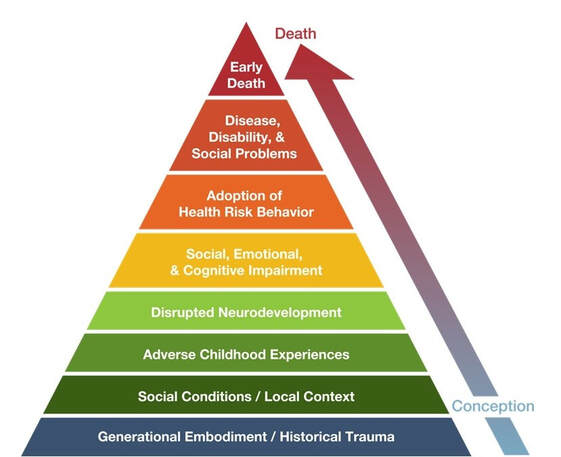
Figure 8: Pyramid of Risk Factors which lead to Early Death
As I have stated throughout the article. It’s not poverty, but instead the toxic stressors associated with poverty that are harmful. Adverse experiences can occur anywhere, they are more likely to occur in high poverty communities. African American, Latinos, and Native American are more likely to live in extreme poverty. As a result, they are more likely to deal with Adverse Childhood Experiences (ACEs) such a physical abuse, emotional abuse, sexual abuse, domestic abuse, parental substance abuse, suicide or death, parental separation or divorce, and imprisonment of a family member. These factors flood the human body with cortisol. High levels of cortisol can be extremely harmful. “The CDC continues to collect data on ACEs and health outcomes. Some research has started to expand the definition of ACEs to include the impact of racism, oppression, and community violence (eclkc.ohs.acf.hhs.gov, 2024). Researchers are finding similar correlations between other adverse experiences and long-term health outcomes: (https://eclkc.ohs.acf.hhs.gov).
Racism
Poverty
Systemic Oppression
Exposure to Community Violence
Microaggressions
Stereotype Threat
Overly Punitive School Discipline
The number of ACEs a person experiences more than not serve as a predictor of future outcomes for that individual over a lifecycle. As it relates to the researcher, before the age of 18 years of age, I was exposed to physical abuse, alcoholism, and seldom incarceration of a family member, constant shame, domestic abuse, and eventual divorce, but I was over the age of 18. Therefore, my ACE number is 4 or 5. I have been exposed to at least 5 of these ACE factors.
Toxic Stress’s harmful Implications and Covid-19 Deaths for People Living in Poverty
During the peak of COVID-19 in 2020-2021, COVID 19 took advantage of people living with obesity, high blood pressure, lung disease, smokers, heart disease, diabetes, and essential workers. In other words, people of color more than not suffer from these debilitating illnesses. These very ailments more than not can be as a result of living under toxic stressors which permeates throughout communities with constant violence. Black and Brown people are more likely to live in neighborhoods which lack adequate resources as well as more likely to be exposed to ongoing social ills which promote traumatic events for people. Such is the case for African Americans living in Hammond, Louisiana. Constant exposure to trauma, negatively impacts the human body neurologically which includes the brain. We now know that a constant dose of cortisol due to constant stressors associated with poverty can pose harm and damage to body organs as well as contribute to early death. When COVID 19 hit, people living in poverty were already suffering from heart disease, lung disease, and/or diabetes. These people more than not were people of color. COVID 19 was unforgiving to people already suffering from chronic or severe illnesses. reflecting the many ways racial inequality in the U.S. has been highlighted over the past year, the life expectancy gap between Black and white people has also widened. According to PBS News Hour, “while the life expectancy of a white man dipped by eight-tenths of a year during the first six months of 2020, three years were shaved off the life of a Black man” (2021). This understanding of COVID 19 now serves as a predictor. Scientist, medical profession, and citizens now without a doubt, that COVID 19 has its way with people already suffering from poor health. If there should be a COVID 20 or 21, people living in harsh socioeconomic condition again will bear the brunt of the devastating virus.
What is the research saying about Consequences and your ACE Score (0-10)?
“Researchers have identified how high-stress levels and trauma can change a child’s brain chemistry, brain architecture, and even gene expression. While nearly everyone experiences stress at some point, chronic stress sustained over time can damage the body and the brain, especially for children, because early childhood is critical for development” (Prevent Child Abuse, 2023, p 1).
There is astonishing amount of reliable research from reputable institutions across this great country. Medical professionals such as psychiatrists, psychologists, and clinical workers agree that ongoing exposure to toxic stressors are horrible and a matter of life or death for so many people of color as well as the 18%of poor Whites who live in Hammond.
According to Harvard Medical School (2022), people who have 4 or more ACEs are 3x more likely to have lung disease due to adult smoking, 11x more likely to use intravenous drugs, 4x more likely to have sex before the age of 15, and have 14x the number of suicide attempts. These ailments increase the likelihood of early death due to chronic illness.
Life Expectancy for African Americans in Tangipahoa Parish & The United States
“The NAACP and the Brookings Institution have partnered to develop tools and resources that will empower communities with data and information. The partnership’s primary project is the Black Progress Index, which provides a means to understand the health and well-being of Black people and the conditions that shape their lives” (Brookings, 2022, p. 1).
The NAACP Black Progress Index (2022), shows the average National life expectancy in 2020 was 74.4 years. In Tangipahoa Parish in 2020, the average life expectancy was 71.1 years or 3.3 years less than the national age for African Americans.
Tangipahoa Parish Cities and their African American Poverty Rate:
Kentwood, La’s African American Poverty rate is 26% and White poverty in Kentwood is at a rate of 32%. Ponchatoula, La African American poverty percentage is at 29% and White poverty is 20.12%. In Amite, the African American poverty rate is lowest at a rate of 15% and the White poverty rate at 15%. However, Hammond, La has the highest poverty rate at a rate of 56% for African Americans and 18% for White Americans living in Hammond, Louisiana. (World Population Review, 2024).
Figure 10: The Black Progress Index (Brookings Metro, 2022).
Communities where families have access to economic and financial help
Communities where families have access to medical care and mental health services Communities with access to safe, stable housing are tremendously helpful.
Communities where families have access to nurturing and safe childcare are great.
Communities where families have access to high-quality preschool are helpful.
Communities where families have access to safe, engaging after school programs and activities
Communities where adults have work opportunities with family-friendly policies
Communities with strong partnerships between the community and business, health care, government, and other sectors
Cut child poverty
Families who create safe, stable, and nurturing relationships, meaning, children have a consistent family life where they are safe, taken care of, and supported (CDC.gov, 2024).
I am a very proud product of Hammond, LA. In the 70s & 80s we had awesome days riding our bikes with our BB guns to Zemurray Park for fishing and shooting bottles and cans. I attended almost every school Hammond had to offer in the 70s & 80s. I began my schooling at Seventh Day Adventist preschool (Ms. Matthews) to Woodland Park (Maxine Dixon) to Mooney Ave School (K-3rd Freece Flowers), to Hammond Eastside (4th & 5th), to Crystal Street (6th), Annie Eastman (7th), Hammond Junior High (8th) Mr. Richardson, and Hammond High (9-12th) Dr. Beth Moulds. I am attended Southeastern for a little while, but I graduated from Grambling State University with a Bachelors (Psychology) and Masters in Sociology.
I am simply giving back to the community which produced me. That’s what you do when you are cut from the same fabric. It makes giving back easy. I am giving back by utilizing my expertise to inform the school districts, community leaders, healthcare, citizens, universities, government officials, families, parents, and students.
All children of Hammond deserve quality health care, mental healthcare, an abundance of food, caring parents, a quality education, and a vibrant community safe from violence and gun violence.
Solutions to help combat Poverty & Adverse Childhood Experiences
Preventing ACEs
Strategy
Approach
Strengthen economic supports to families
Strengthening household financial security Family-friendly work policies
Promote social norms that protect against violence and adversity
Public education campaigns Legislative approaches to reduce corporal punishment Bystander approaches Men and boys as allies in prevention
Ensure a strong start for children
Early childhood home visitation High-quality childcare Preschool enrichment with family engagement
Teach skills
Social-emotional learning Safe dating and healthy relationship skill programs Parenting skills and family relationship approaches
Connect youth to caring adults and activities
Mentoring programs After-school programs
Intervene to lessen immediate and longterm harms
Enhanced primary care Victim-centered services Treatment to lessen the harms of ACEs Treatment to prevent problem behavior and future involvement in violence Family-centered treatment for substance use disorders
Communities where families have access to economic and financial help
Communities where families have access to medical care and mental health services Communities with access to safe, stable housing are tremendously helpful.
Communities where families have access to nurturing and safe childcare are great.
Communities where families have access to high-quality preschool are helpful.
Communities where families have access to safe, engaging after school programs and activities
Communities where adults have work opportunities with family-friendly policies
Communities with strong partnerships between the community and business, health care, government, and other sectors
Cut child poverty
Families who create safe, stable, and nurturing relationships, meaning, children have a consistent family life where they are safe, taken care of, and supported (CDC.gov, 2024).
I am a very proud product of Hammond, LA. In the 70s & 80s we had awesome days riding our bikes with our BB guns to Zemurray Park for fishing and shooting bottles and cans. I attended almost every school Hammond had to offer in the 70s & 80s. I began my schooling at Seventh Day Adventist preschool (Ms. Matthews) to Woodland Park (Maxine Dixon) to Mooney Ave School (K-3rd Freece Flowers), to Hammond Eastside under Mr. Rudolph Gibson (4th & 5th), to Crystal Street (6th), Annie Eastman (7th), Hammond Junior High (8th) under Mr. Richardson, and Hammond High (9-12th) under Dr. Beth Moulds and Mr. Edward Dillon. I am attended Southeastern for a little while, but I graduated from Grambling State University with a Bachelors (Psychology) and Masters in Sociology.
I am simply giving back to the community which produced me. That’s what you do when you are cut from the same fabric. It makes giving back easy. I am giving back by utilizing my expertise to inform the school districts, community leaders, church leaders, healthcare, citizens, universities, government officials, families, parents, and students.
All children of Hammond, LA deserve quality health care, mental healthcare, an abundance of food, caring parents, a quality education, and a vibrant community safe from any form of violence, which includes gun violence.
References
Adverse Childhood Experiences Prevention Resource for Action A Compilation of the Best
Available Evidence. (2019). https://www.cdc.gov/violenceprevention/pdf/ACEs-
Prevention-Resource_508.pdf
America, P. C. A. (2021, June 14). Long Term Effects of Child Abuse and Neglect. Prevent Child Abuse America. https://preventchildabuse.org/latest-activity/long-term-effects-of-childabuse-and-neglect/?gclid=CjwKCAiAk9itBhASEiwA1my_6yU-8NCC2OgQj4Bfh6KxVRfTAW7So0jFHQRlEjJ_YhY2MqXR8Li1xoCpkQQAvD_BwE
CDC. (2020, September 3). ACEs Can Be Prevented. Www.cdc.gov.
Hathaway, B. (2020, February 20). Want to live longer? Stay in school, study suggests.
National Center for Injury Prevention and Control. (2019). Essentials for Childhood Creating Safe, Stable, Nurturing Relationships and Environments for All Children National Center for Injury Prevention and Control Division of Violence Prevention enter for Injury Prevention and Control Violence Prevention. https://www.cdc.gov/violenceprevention/pdf/essentials-for-childhood-framework508.pdf
Pediatricians | Phoenix Children’s Hospital. (n.d.). Www.phoenixchildrens.org. Retrieved January 30, 2024, from https://www.phoenixchildrens.org/center-resiliency-andwellbeing-crw/pediatricians
Reeves, R. (2022). Time will not heal: 5 ways to address the inheritance of Black poverty, starting now. (n.d.). Brookings. https://www.brookings.edu/articles/time-will-not-heal-5ways-to-address-the-inheritance-of-black-poverty-starting-now/
Simons, R. L., Woodring, D., Simons, L. G., Sutton, T. E., Lei, M.-K., Beach, S. R. H., Barr, A.
B., & Gibbons, F. X. (2019). Youth Adversities Amplify the Association between Adult
D. Brendan Johnson, (2022). ACE Scores: The New Fifth Vital Sign. Harvard Medical School Retrieved from https://info.primarycare.hms.harvard.edu/perspectives/articles/ace-scores-fifth-vital-sign
Stressors and Chronic Inflammation in a Domain Specific Manner: Nuancing the Early
Life Sensitivity Model. Journal of Youth and Adolescence, 48(1), 1–16.
Marable, Manning and Lieth Mullings. 2000. “ Introduction: Resistance, Reform and Renewal in the Black Experience,” In Let Nobody Turn Us Around: Voices of Resistance, Reform and Renewal. Eds. Marable, Manning and Lieth Mullings. New York: Roman & Littlefield Publishers, Inc., pgs. xvii-xxv.
Soken-Huberty, E. (2020, February 13). What Does Social Justice Mean? Human Rights Careers. https://www.humanrightscareers.com/issues/what-does-social-justicemean/#:~:text=Justice%20is%20the%20concept%20of
The Black Progress Index. (n.d.). Brookings. Retrieved January 30, 2024, from https://www.brookings.edu/articles/the-black-progress-index/
Trauma and Adverse Childhood Experiences (ACEs) | ECLKC. (2020, April 7).
World Population Review (2024). Retrieved from https://worldpopulationreview.com/us-cities/hammond-la-population on February 1, 2024.
While visiting my hometown, Hammond, Louisiana last week to pay my respects to a family member who passed, I had to leave the house for fresh air due to the massive amount of people delivering food, comfort, and prayer. I just needed to take a little drive to allow myself to mourn on my terms. As I drove around the town, it became glaringly clear not only did a family member pass, but the entire community seemed to be dead and I thought to myself, things will remain the same for too many citizens of Hammond. Most of all, there is no sense of urgency. Where are wrap around services designed to improve conditions for humans’ well being? Why do people seem as if they are suffering from Stockholm Syndrome? A psychological condition which causes one to lock arms with those who cause ongoing harm which brings about continual stress, dependence, and most of all, African Americans tend to feel they shouldn’t push on the system of oppression due to their need to survive. Consequently, long lasting harsh conditions continue to wreak havoc on certain areas of Hammond, LA. These areas are severely saturated with African Americans and other minorities. People of color who are oppressed, suppressed, and depressed. I continued to ask myself as I drove around my hometown, “why?” Why do these conditions continue? Why do African Americans seem to get the shortest stick in multiple ways year after year and decade after decade?
9/20/2019
So, I started to ask people their opinions as to why such traumatic conditions continue to plague their community? I even asked some who were standing outside of a liquor store. In isolation, all reported similar reasons for the unwanted conditions, which is the “system was designed to keep them in one area with no hope.” Believe it or not, many of the citizen’s replies were valid. While asking questions at the liquor store near St. Paul Church, I realized there was a person passed out in the sweltering heat near the woods located on side of the store. So, I went over to check on the person to realize it was a lady. I asked questions and locals informed me it was no big deal and that “this is what she does.” Then they walked away with absolutely no concern. May I add, I was visibly appalled. I proceeded to ask the lady if she was all right and if she needed some help, and she stated several times “no” but she never got up.
Education and Homeownership
This leads me to reflect on the correlation between traumatic conditions, achievement gaps, education and homeownership. The term “achievement gap” refers to disparities in the academic achievement of specific groups of students (Coleman et al., 1966). The achievement gap now measures four years: by the end of high school, African American and Latino students have skills in literacy (reading) and numeracy (mathematics) that are virtually identical to those of White students at the end of middle school (Lyman & Villani, 2004; Scherer, 2002-2003). The achievement gap exists during school years, but when the school years are over the achievement gap becomes an opportunity gap. In other words, students become adults. In many cases, adults who will not be able to pay for everyday essentials such as food, purchase a home, have access to health, vision, or dental insurance. The achievement gap can very well impact one’s life time earnings. Lower life time earnings can have a direct impact on where people live and what kids are exposed to as they grow up. Lower life time earnings can very well impact one’s credit score and put up barriers that prevent home ownership and can sometimes prevent the opportunity to rent. Consequently, most are forced to live in low credit score neighborhoods. Low credit score neighborhoods can breed a host of negative exposures such as violence and childhood stressors. Low score neighborhoods are inundated with liquor stores, cigarette ads, and corner stores that sell nothing but unhealthy processed food. All of these factors add to negative childhood experiences and have a direct impact on minority students’ academic outcome. But, how did we get here? Was the system created to hold down certain citizens based on their race? Are people of color of Hammond, Louisiana still feeling the impact of the racist Housing Act of 1934-1968?
As a sociologist who studies society and groups, I would say, “yes” based on the resounding research that’s readily available as well as my own truthful observations. The Housing Act of 1934 was created during the Great Depression by Franklin D Roosevelt. “The Act was designed to stop the tide of bank foreclosures on family homes and to make housing more affordable for Whites.”
There is a term associated with the Housing Act of 1934 through 1968. The term or practice is known as Redlining. Redlining decided who received home loans. Redlining is also a practice in which the government created neighborhoods based on race and location. For example, green areas were able to receive home loans and the areas were/are predominantly white and red areas were/are considered bad and troubled and of course inundated with African Americans as well as other minorities, which was validated by my unwavering eyes. Redlining, debilitating policies and practices forbade African Americans from receiving home loans despite their social economic status or level of education. This can be observed from the educated African American principals’ and teachers’ homes located on JW Davis Drive near what was known as Greenville Park High School, Hammond Jr High, and now Greenville Park Leadership Academy. Though the name continues to change, the demographics which walk into GPLA daily have not changed since its origin. Student performance has plummeted and GPLA has been labeled as a subpar school by the state of Louisiana; but there’s hope as I am hearing great things about the current administration.
34 years of racial housing practices continue to hover over most of America’s Cities. Cities such as Milwaukee, Chicago, St. Louis, Los Angeles, New Orleans, and yes, Hammond, Louisiana are all victims of these awful though enforced practices.
The result of these deplorable policies, ensured 98% of loans were given to white families. Hammond was not excluded. Families in the green were able to purchase homes and accrue wealth. Whites were able to sell then use the equity to send their children to college all the while producing generations of wealth and generations of college educated whites. One thing is true, when neighborhoods are segregated, the schools are segregated too.
According to USA Today (2018), Hammond is considered one of the cities in America with the lowest graduation rate. https://www.usatoday.com/story/money/economy/2018/08/21/cities- where-fewest-people-graduate-high-school/372711172
Salem, Oregon ⦁ High school graduation rate: 74.7% ⦁ May unemployment rate: 4.0% ⦁ Median income, less than high school graduate: $20,474 ⦁ Percent of adults with a college degree: 24.0%
Hammond, Louisiana ⦁ High school graduation rate: 74.0% ⦁ May unemployment rate: 5.2% (highest 25%) ⦁ Median income, less than high school graduate: $20,495 ⦁ Percent of adults with a college degree: 20.1% (bottom 25%)
Tucson, Arizona ⦁ High school graduation rate: 73.9% ⦁ May unemployment rate: 4.0% ⦁ Median income, less than high school graduate: $17,936 (bottom 25%) ⦁ Percent of adults with a college degree: 31.9%
Jackson, Mississippi ⦁ High school graduation rate: 73.6% ⦁ May unemployment rate: 4.2% ⦁ Median income, less than high school graduate: $18,681 (bottom 25%) ⦁ Percent of adults with a college degree: 29.9%
According to ProPublica/Miseducation, Hammond High School students of color lag behind White students in a variety of Categories. Retrieved from https://projects.propublica.org/miseducation/school/220168001304
Hammond High School Data on Opportunity to Learn & Disparities ⦁ White students are 3.2 times as likely to be enrolled in at least one AP class as Black students. ⦁ A comparison between Hispanic students and White students enrolled at least one AP class is not available. ⦁ A comparison between Asian, Pacific Islander or Native Hawaiian students and White students enrolled at least one AP class is not available. ⦁ A comparison between students of Two or More Races and White students enrolled at least one AP class is not available. ⦁ A comparison between Native American or Alaska Native students and White students enrolled at least one AP class is not available.
Hammond High School Discipline ⦁ Black students are 4.2 times as likely to be suspended as White students. ⦁ Hispanic students are 2.5 times as likely to be suspended as White students. ⦁ A comparison between Asian, Pacific Islander or Native Hawaiian students and White student suspensions is not available. ⦁ Students of Two or More Races are 3.8 times as likely to be suspended as White students. ⦁ A comparison between Native American or Alaska Native students and White student suspensions is not available.
The majority of these disparities could be the result of a long history of enforcing America’s Housing Act Policies which barred prosperity for far too many of her citizens. Over the years, red zones have taken a harsh beating. Landlords and homeowners in too many cases are simply not financially able to repair the severely aging homes. Therefore, they sit and rot along with abandoned cars. There are organizations who pay $50 to $100 dollars to take guns off the streets. The same should happen for the massive number of abandoned cars. The City of Hammond should provide $100 to the owner or so for all the inoperable cars and give them to surrounding scrap yards or technical schools which improve outcomes. I’m sure with collaboration between aldermen, councilmen, the community, and mayor, good ideas can become reality. No need to compound poverty with harsh demands which force the underserved population to pay.
Shame, Shame, and Shame on the city for spending taxpayers’ money to glamourize and most of all commercialize the way life used to be in Louisiana. I am referring to “Peter Hammond’s” burial site and the unnamed slave boy. A favorite of Peter’s. What type of message are we sending to so many of Hammond’s minority and majority citizens? Think of minority students having to face these awful reminders of slavery while walking to school everyday for years. This is traumatic to say the least. Take a play from the former Mayor Landrieu’s play book. “New Orleans is a mostly black city of nearly 390,000. The majority black City Council voted 6-1 in 2015 to take the monuments down, but legal battles held up action.
Favorite Slave Boy. What’s his name? Maybe Slave. Did the boy desire to be the favorite? How does one become a favorite? 9/20/199/20/2019I was informed these are the live in rooms for slaves. As you can see there is an air conditioner in the window. Looks like money has been utilized to keep the slave quarters up for all to be reminded for some reason.
Landrieu, a white Democrat, proposed the monuments’ removal and rode to victory twice with overwhelming support from the city’s black residents. Opponents of the memorials say they are offensive artifacts honoring the region’s racist past.” Retrieved from: https://apnews.com/75a1d88fbef7440782907d5a3e5cd93e
The Visible-Invisible Line The corner of North Holly and East Church Street makes it explicitly clear there is a Visible Invisible line that separates devastating neighborhoods and neighborhoods who now benefit from laws that supported and enforced “White Privilege” from Reconstruction 1877 through Jim Crow years, which ended on books in the 1960s by LB Johnson. I actually stood in the middle of the street at the corner of Holly and East Church. I looked South and North without moving my position. While looking south, one is able to see homes, opportunities, and wealth.
The Visible-Invisible Line. 9/20/2019As you can see, both pictures are at the corner of Holly and Church. One picture shows hope and opportunity and the other picture not so much and saturated with African Americans. 9/20/19
As a native of Hammond, the view hasn’t changed. Yes, I am actually surprised and disappointed. I too am a victim of the same harsh conditions. Much of my early years have been erased. I decided to visit my Great Grandmother “Mama Picky’s” home on Noah James Drive, only to find a sidewalk to nowhere. Just faded memories of throwing my GI Joe Parachute doll into the air and watch it float to the ground. The days after church and Mama Picky would take her hair piece off and insisted the great-grand kids take turns scratching her scalp.
The Impact of Neighborhoods on Intergenerational Mobility: Childhood Exposure Effects
For the purpose of providing explicit clarity, it’s necessary to provide research study findings which clearly show that neighborhoods have an impact on people’s beginnings as a child and their outcomes as an adult (Chetty & Hendren, 2017). “Neighborhoods in which children grow up shape their lifetime income, college attendance rates, and fertility and marriage patterns” (Chetty & Hendren, 2017). The researchers analyzed more than 7 million families by analyzing de-identified families with IRS records from 1980s. The results of the findings show “neighborhoods affect intergenerational mobility primarily through childhood exposure” (Chetty & Hendren, 2017).
The findings also revealed, place matters. Children who grow up in poor environments tend to mimic the same income and outcomes in adulthood as the permanent residents in the community. The same can be said if a child is exposed to improved environments. Secondly, neighborhood matters largely because of differences in childhood exposure, rather than the differences in job market conditions. Third, each year of childhood exposure matters (Good or Bad environments) roughly equals that of a child born in the neighborhood. However, age of the child’s move to an improved environment does matter. For example, moving to an improved environment has less of an impact on adults who are 23 years old compared to a child who moves to an improved neighborhood by age 9 or 10 (Chetty & Hendren, 2017). Retrieved from: http://www.equality-of-opportunity.org/assets/documents/movers_paper1.pdf
So, we must improve conditions in which we live. This can only be accomplished with enduring collaboration from all stakeholders such as taxpayers, community leaders, TPSD, councilmen, churches, and others. The research did not suggest moving to other neighborhoods, though there is nothing wrong with moving. Nonetheless, the research findings do suggest improved environments or improving our environments in which we reside. Retrieved from: http://www.equality-of opportunity.org/assets/documents/movers_paper1.pdf
As I conclude, we must acknowledge Hammond as we know it today, only gets worse with an uneducated population. The superintendent of schools and BOE must increase their efforts as it relates to educational outcomes and disparities. 26% of high school students fail to graduate in 4 years (Miseducation, 2018). Abandoned homes and cars, violence, and poor opportunities are not alluring to companies and industries. Industries do not move to cities where subpar school districts are still fighting desegregation from the long gone Jim Crow Era.
What will the Mayor of Hammond, Aldermen, Superintendent of Schools, Community Leaders and others do to combat these harsh conditions? To remain silent is to remain complicit. These awful living conditions for too many have nearly destroyed Hammond, Louisiana. By the Grace of GOD, let’s save her now!!
This is an awesome article and I had to share this with my colleagues and friends.
By: CLAUDIO SANCHEZ February 2018 Mark Seidenberg is not the first researcher to reach the stunning conclusion that only a third of the nation’s schoolchildren read at grade level. The reasons are numerous, but one that Seidenberg cites over and over again is this: The way kids are taught to read in school is disconnected from the latest research, namely how language and speech actually develop in a child’s brain.
Seidenberg is a cognitive scientist and professor at the University of Wisconsin, Madison. In his latest book, Language at the Speed of Sight, he points out that the “science of reading” can be a difficult concept for educators to grasp. He says it requires some basic understanding of brain research and the “mechanics” of reading, or what is often referred to as phonics.
I talked with Seidenberg about what it will take to improve reading instruction. Our conversation has been edited for length and clarity.
So how do you explain this to teachers?
Success in reading depends on linking print to speech. There’s a massive amount of behavioral research, neuroimaging research, on brain organization and brain development, which conclusively shows that skilled reading is associated with children’s spoken language, grammar and the vocabulary they already know. It’s about teaching kids the correspondence between the letters on a page and the sounds of words.
And you’re saying that teachers don’t know this?
This basic science does not go into the preparation of teachers. More often they’re told it’s not really relevant, that the science is sterile and has no connection with what teachers do in the classroom.
What I point out in the book is that in order to grasp the research, [teachers] need basic scientific literacy to be able to understand it. They can dismiss [what I’m saying] or they can share my outrage.
Is that the reason you wrote Language at the Speed of Sight? Outrage?
I was motivated by accumulating frustration. I’ve reviewed the science of reading and documented how little impact it has had on educational practice, and I think this is bad. It has put kids at risk for failure.
Reading scientists have been talking about this for a long time and tried to communicate with educators and failed. We have not been able to get the science past the schoolhouse door.
In your book, you wade into the reading wars and argue that the debate over phonics vs. whole language is largely to blame for the poor reading skills of American students. But you say it’s not a question of “either/or.” Kids need to be exposed to great books and rich literature and they need to know the symbols and sounds of letters. Where are we on that front?
The reading wars are over and science lost. Phonics is just one specific component of learning to read that’s important at a particular point in a child’s development. The reading wars did not focus on this, so the conflict was set up in a bogus way.
You say the conflict has been political.
The political solution was called “balanced literacy,” which called on teachers to use the best of both approaches. But it left it up to teachers who had been trained to dismiss phonics and brush off the science.
One interesting recommendation you offer is that college graduates who sign up for Teach for America be hired not as classroom teachers but as an army of reading tutors.
Yes. They could be trained to provide supplemental reading instruction, one-on-one or in small groups. That’s what wealthy people do. They pay for tutors. Poor people can’t.
So I would say yeah, put more people in the classroom or after-school programs who focus on reading and language. This would be helpful.
What about legislation like what Michigan passed recently that prohibits schools from promoting third-graders to the fourth grade unless they can read at grade level? Educators have been supportive of the new law but say the funding for it is sorely lacking. Do you think such a mandate is a good idea?
I don’t think its a good idea if they merely passed a law that says, “You better read.” That’s punishing the kid. There have to be programs and investments to support teachers, students and parents.
You insist that the training and credentialing of teachers is also inadequate, and you single out colleges of education.
It’s clear that ed schools are setting teachers up to fail. [The teachers are] plopped in the classroom to learn on the job because the ideology in ed schools is a “learning by doing” philosophy. I think it’s really a mess.
At the end of your book you recommend that schools of education overhaul the curriculum to make sure newly minted teachers leave with a basic understanding of linguistics and child development. You say states must change their teacher-licensure requirements. And, finally, you want school districts to vastly expand tutoring for children who are struggling to read.
Yes. It’s necessary to get all these folks on board. And indeed, one could see how parents and community leaders would also get on board. I don’t pretend to know how to approach them. What I can do is explain how reading works, how children develop and how we can teach children to read better.